What a Chinook Does to Your Furnace
A 25 degree swing in a day is a Calgary specialty, and your heating system feels every one of them.
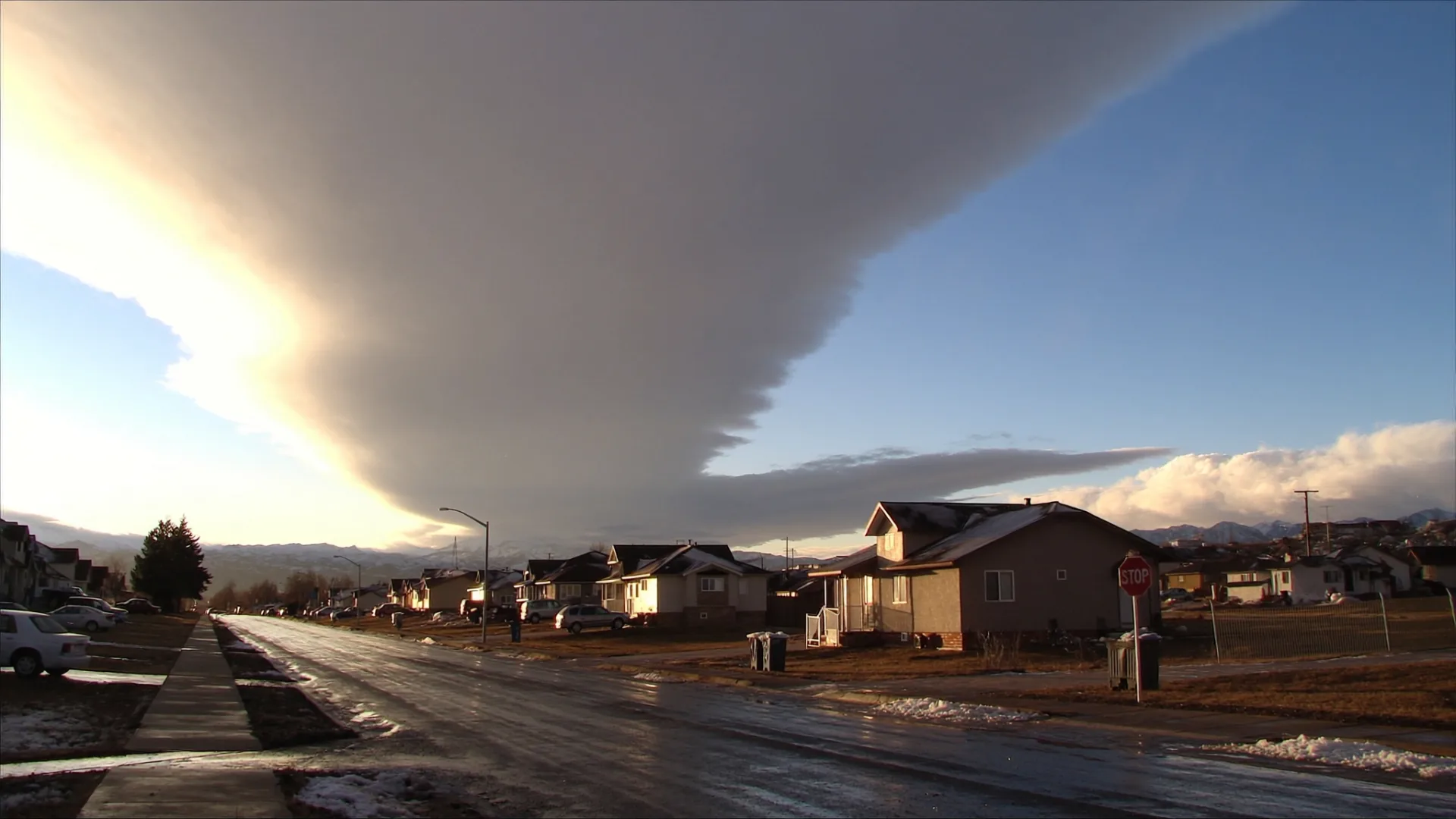
A chinook stresses a Calgary furnace in four specific ways: meltwater refreezes in and around the exterior vent terminations and blocks them, condensate lines in unheated spaces freeze once the temperature drops back, the furnace short cycles as the house swings through setpoint, and rapid indoor humidity changes drive condensation on windows. The vent blockage is the one that most often turns into a no-heat call.
Most Canadian HVAC advice is written for a climate that gets cold and stays cold. Calgary does something different. We get 20 to 25 degree swings inside a day, several times a winter, and the equipment sitting on the side of your house goes through every one of them.
1. Meltwater refreezes in the vent terminations
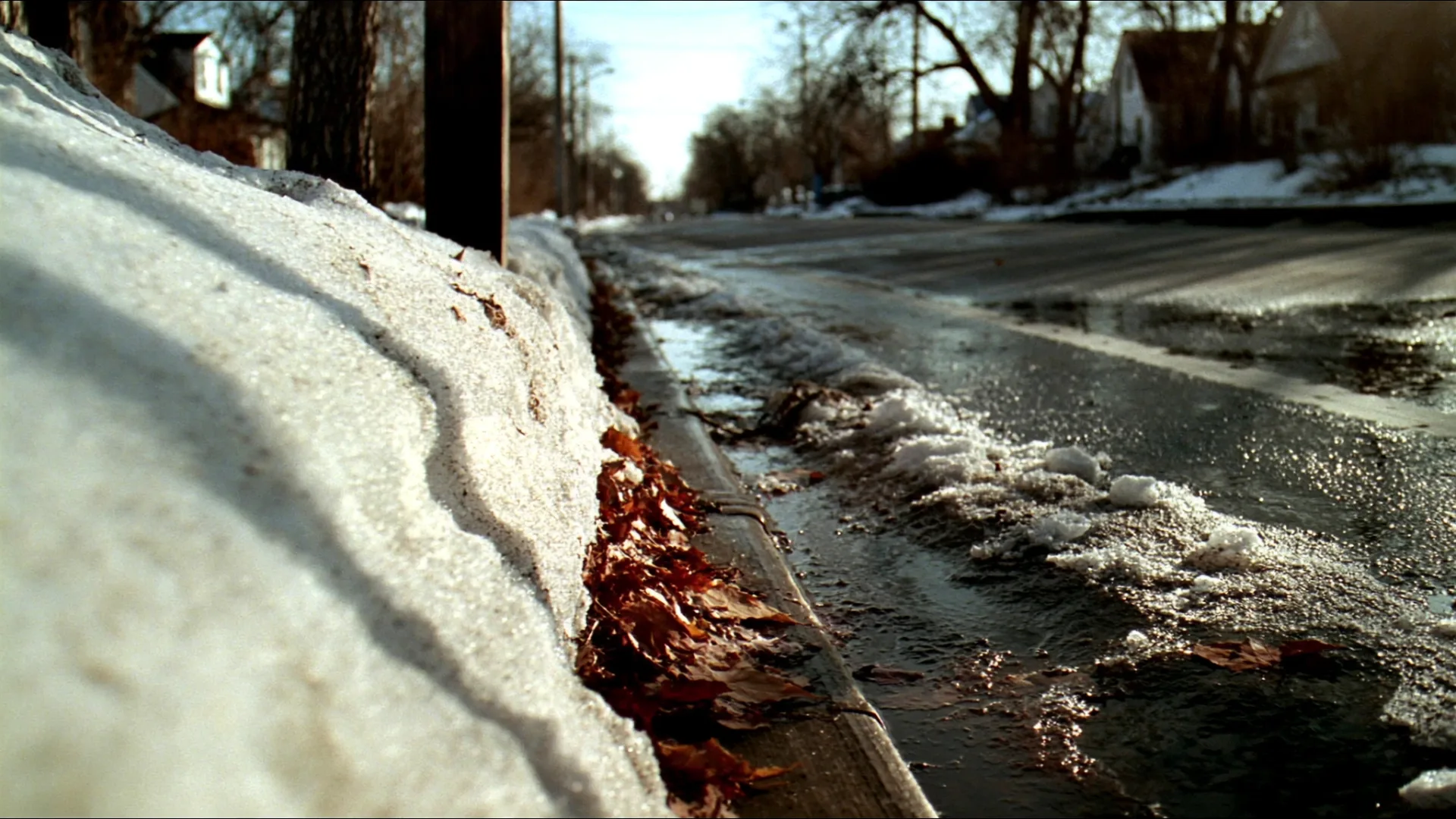
This is the big one. During the thaw, snow on the roof and against the wall melts and runs. When the temperature drops back overnight, that water refreezes, and the place it most likes to do it is the lip of a plastic vent pipe where warm moist exhaust meets cold air.
An ice collar inside the vent opening will stop a high-efficiency furnace completely, because the pressure switch will not let the burner light without proof of airflow. From inside the house it is indistinguishable from a dead furnace.
Check both white pipes after every thaw, not only after a snowfall. The full method is in frozen furnace vents.
2. Condensate lines freeze after the thaw
A high-efficiency furnace produces liquid condensate, which drains away through a small line. If any part of that run passes through a garage, a crawl space or an uninsulated wall cavity, the swing back to deep cold can freeze it.
A blocked condensate line backs up into the furnace and trips a safety. The symptom is a furnace that worked yesterday, stopped this morning, and shows water where water should not be.
3. The furnace short cycles through the swing
During a chinook the house gains heat from the sun and the outside air faster than the thermostat expects. An oversized single-stage furnace responds by firing hard, overshooting, shutting down, and repeating. You feel it as a house that is stuffy in the afternoon and cold by evening.
A two-stage or modulating furnace handles this far better, because it can run gently for longer instead of blasting. In a city with our shoulder-season swings that is the single most noticeable comfort upgrade available, more than efficiency rating.
4. Humidity swings put water on your windows
Warm chinook air holds more moisture. Your humidifier, if it has a manual setting, is still running to a target set for minus 25. The result is condensation and then frost on the coldest windows in the house, which people read as a window problem and is actually a humidity control problem.
A humidistat that tracks outdoor temperature solves it. More in dry air, humidifiers and Calgary winters.
What is the chinook checklist?
- After every thaw, clear a wide space around both white vent pipes and check inside the openings for an ice collar.
- Look for water around the base of the furnace, which points at a condensate line problem.
- Turn the humidifier down as it warms, and back up as it cools, unless you have an outdoor-compensating control.
- Watch for short cycling in the shoulder season and note it, because that is sizing information for whenever you replace.
- Do not assume a furnace that quits during a thaw has failed. Check the vents first.
No heat right now?
The line is answered 24 hours a day by a technician, not an answering service. Written pricing before anything is touched.