Frozen Furnace Vents: The Calgary No-Heat Call Nobody Expects
Two plastic pipes on the side of your house can take your entire heating system offline, and the fix is often a broom.
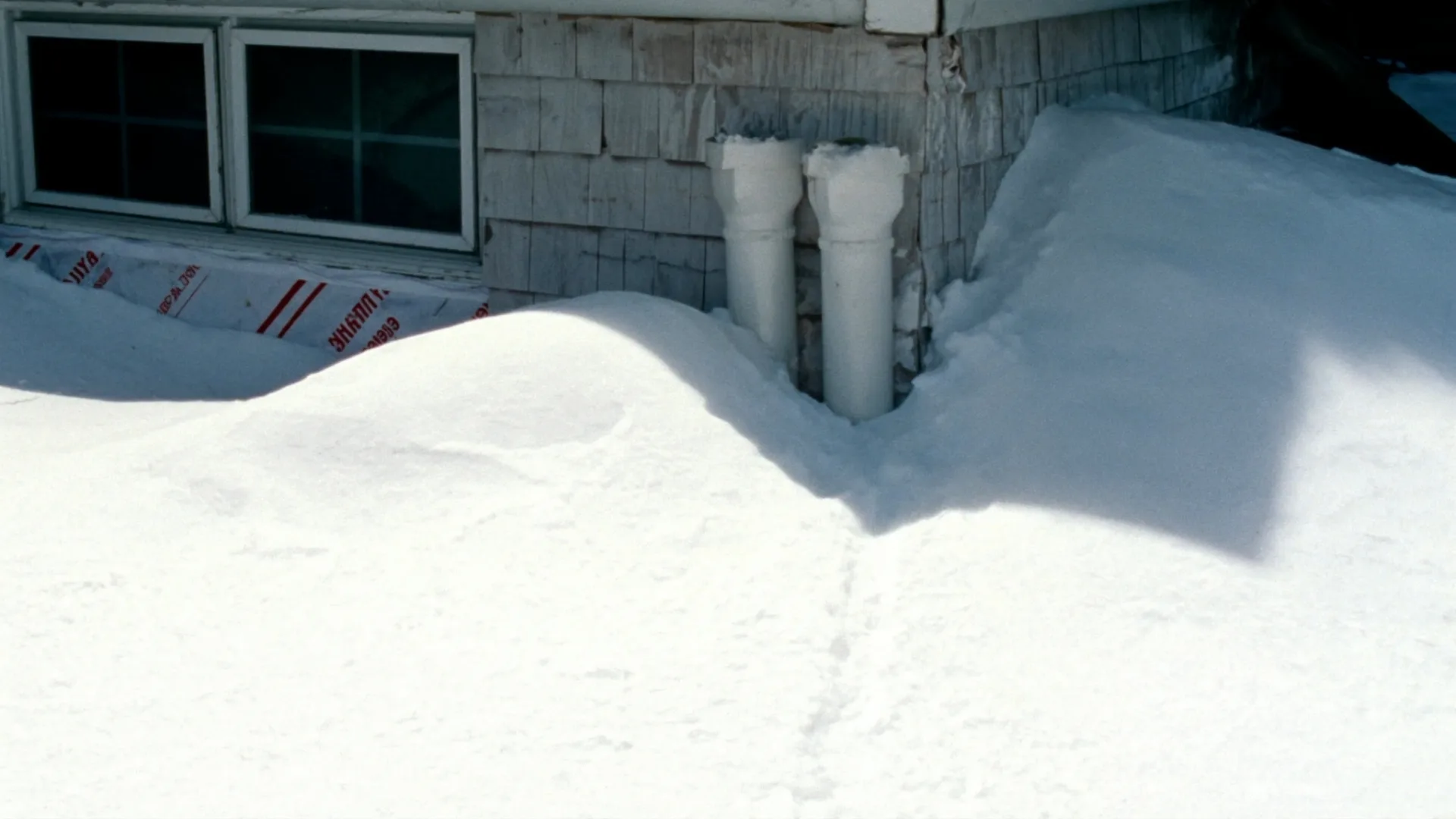
A high-efficiency furnace vents through two white PVC pipes on the exterior wall. If snow, ice or a drift blocks either one, the pressure switch prevents the burner from lighting and the furnace shuts down completely. Clearing a wide space around both pipe openings by hand or with a broom usually restores heat within minutes. Never use a metal shovel or anything sharp against the pipes.
This is the call that makes people feel silly, and it should not. From inside the house a blocked vent is indistinguishable from a dead furnace. The unit will not fire, the house gets cold, and there is nothing on the thermostat to explain it.
Why does a blocked vent shut the whole furnace down?
A high-efficiency furnace is a sealed combustion appliance. One pipe brings combustion air in from outside, the other pushes exhaust out. A pressure switch confirms that air is actually moving before the control board will open the gas valve.
If either pipe is obstructed, that switch does not close, and the board refuses to light. That is not a fault. That is the safety system doing precisely what it is designed to do, and you would not want it any other way.
What blocks them in Calgary?
- Drifting snow piling against the wall, which is the most common by a distance
- Snow sliding off a roof directly onto the pipes below
- A plough or a neighbour's snowblower throwing snow against the house
- Ice collars forming inside the pipe opening during a freeze-thaw, which Calgary chinooks produce more of than most Canadian cities
- Landscaping, a deck rebuild or a fence that changed how snow drifts against that wall
How do you clear them safely?
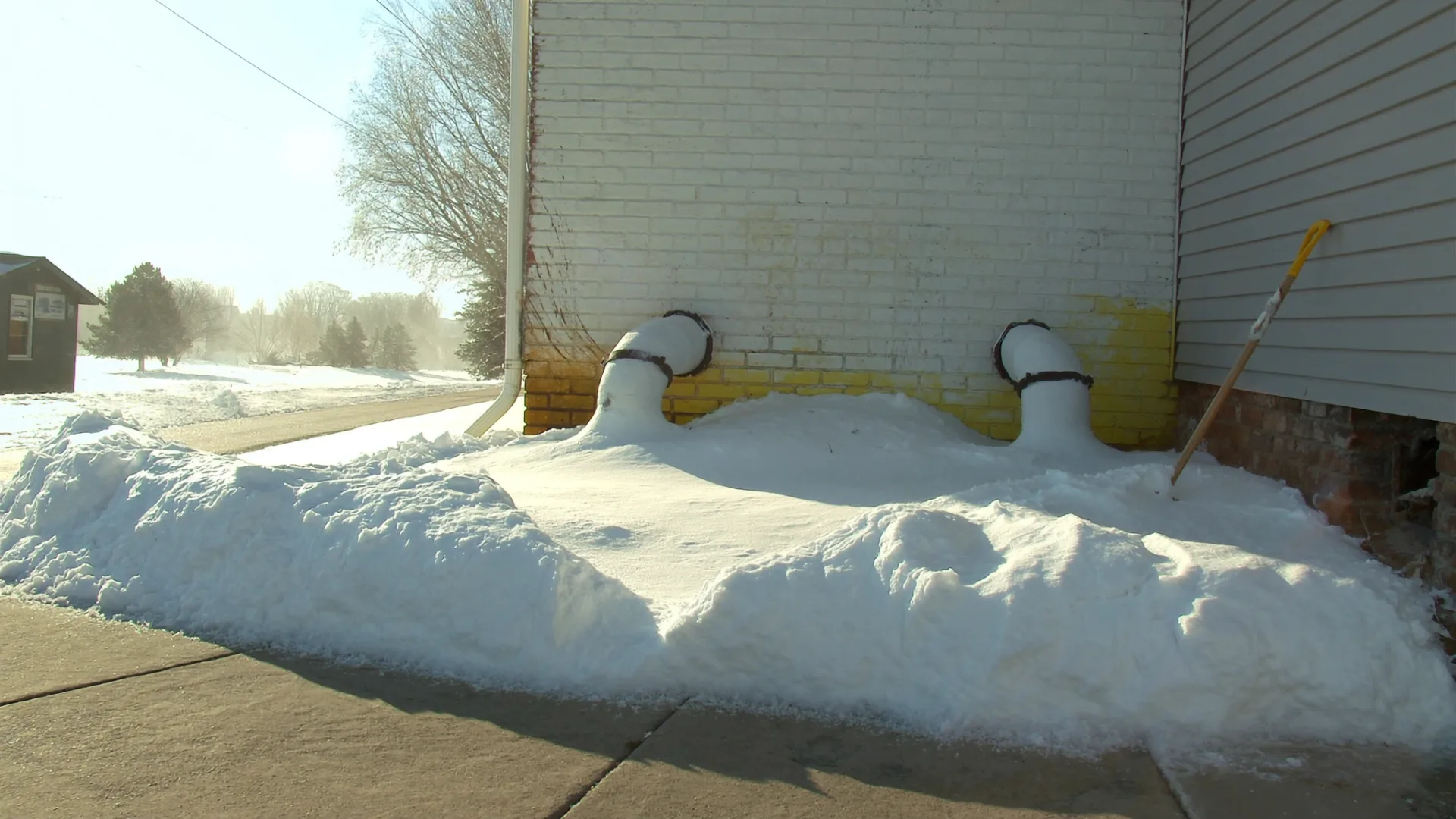
- Find both pipes. They are white plastic, usually a pair, on an exterior wall roughly a metre off the ground.
- Clear a wide space around them, ideally a foot or more in every direction rather than just uncovering the openings.
- Use your hands, a broom or a plastic scoop. Never a metal shovel and never an ice pick, because cracking a vent pipe turns a five minute job into a technician visit.
- Look inside each opening for an ice collar. Warm water poured slowly will clear it. Do not use boiling water on cold plastic.
- Give the furnace a few minutes. Most will retry on their own. Cycling the thermostat down and back up prompts it.
How do you stop it happening again?
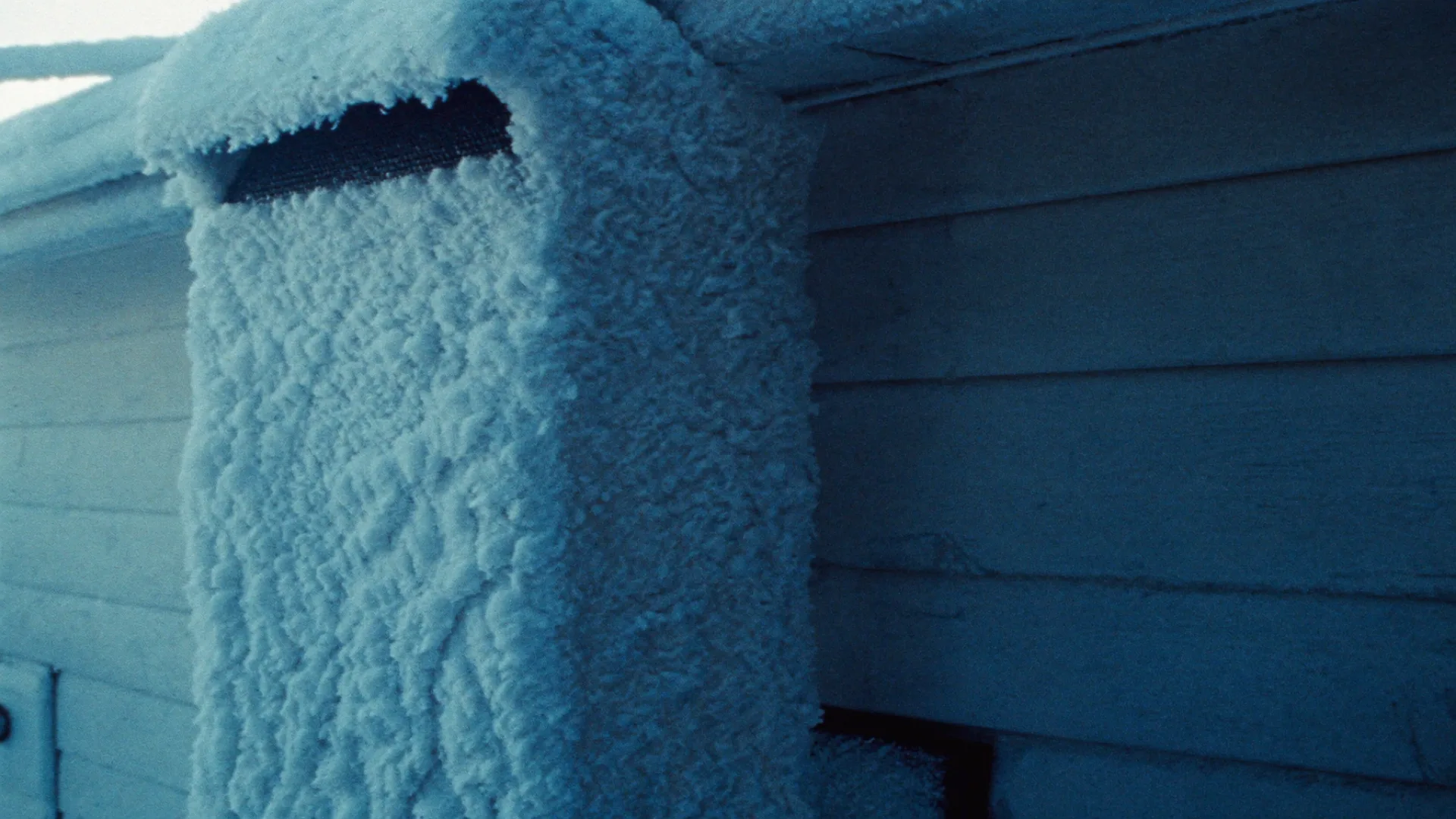
- Add the vents to your snow routine. Clear them when you clear the walk, not when the house goes cold.
- Watch what a roof above them does in a thaw, because that is where the ice collars come from.
- Tell whoever clears your drive not to throw snow at that wall.
- If drifting is chronic in that spot, a technician can look at whether the terminations can be relocated or extended, which is a permanent fix rather than an annual chore.
Every area page on this site lists the local conditions that drive calls in that community, and in the outlying towns the vents come up more than anything else. In Strathmore especially, where wind drives snow against walls harder than it does in the city, this is the first thing to check.
No heat right now?
The line is answered 24 hours a day by a technician, not an answering service. Written pricing before anything is touched.